Chinese Cooking Technique: Braising
Introduction
Braising is a fundamental cooking technique in Chinese cuisine that combines elements of both simmering and stewing. This method involves cooking food slowly in a small amount of liquid, typically after it has been browned at a high temperature. The technique allows for the development of deep, rich flavors and tender textures, making it a popular choice for preparing meats, poultry, and even vegetables. Braising is particularly valued for its ability to transform tougher cuts of meat into succulent dishes, infused with the flavors of the cooking liquid, which often includes soy sauce, fermented bean paste, or other aromatic seasonings traditional to Chinese cooking.
History
The origins of braising in China can be linked to the country's diverse geographical and cultural landscape, where different regions developed unique styles of braising to suit local ingredients and tastes. Historically, braising was a practical method for making use of less tender cuts of meat, turning them into flavorful and nourishing meals through a slow-cooking process. The method became emblematic of Chinese culinary ingenuity, blending the principles of economy and flavor enhancement. Throughout history, braising has been embraced not only as a cooking technique but also as a reflection of Chinese cultural values, such as harmony and balance, which are embodied in the flavors and textures achieved through the process.
Technique
Equipment and Tools
Braising in Chinese cooking typically requires specific equipment and tools that are suited to the method's demands. A heavy-bottomed pot or a clay pot, known as a "sand pot" in Chinese, is often used due to its ability to retain and evenly distribute heat over a prolonged period. These pots are essential for maintaining a consistent cooking environment, which is crucial for achieving the tender, flavorful results characteristic of braised dishes. Additionally, a wok may also be utilized for initial browning of ingredients before they are transferred to a pot for the slow-cooking phase. The choice of equipment can vary depending on regional preferences and the specific recipe being prepared.
Ingredients and Preparation
The selection of ingredients is vital to the braising process, as they contribute to the depth of flavor that defines the technique. Common ingredients include various cuts of meat, such as pork belly, beef brisket, or chicken thighs, which are known for their richness and ability to retain moisture. Vegetables like white radish, cabbage, and mushrooms also play a significant role, often absorbing the braising liquid to enhance their own flavors. The preparation of ingredients typically involves marinating meats to infuse them with initial flavors, followed by browning them in hot oil to develop a savory crust. This step is crucial for building the complex flavor profile of the finished dish.
Cooking Process
The cooking process of braising begins with the initial browning of the main ingredients, which is done to enhance the dish's flavor profile. Once the ingredients are browned, they are combined with a flavorful liquid, often consisting of a mixture of soy sauce, stock, wine, and aromatic spices such as star anise, cinnamon, and ginger. The pot is then covered and the contents are left to simmer at a low temperature for an extended period. This slow cooking allows the flavors to meld and penetrate the ingredients, resulting in tender, succulent dishes. The liquid not only acts as a cooking medium but also reduces to a rich sauce that coats the ingredients, further enriching the flavor.
Culinary Applications
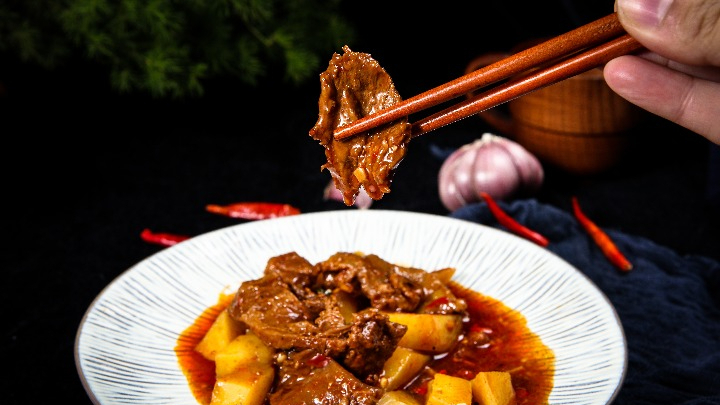
Braising is a versatile technique that is utilized in a wide array of Chinese dishes, each showcasing the unique attributes of the method. Classic dishes like "Red-Cooked Pork" (Hong Shao Rou) and "Braised Beef Brisket" exemplify the depth of flavor and tender texture that braising can achieve. The technique is not limited to meat; vegetable braises, such as those featuring tofu or eggplant, demonstrate the method's adaptability and the ability to highlight the intrinsic flavors of different ingredients. These dishes are often served as part of a larger meal, contributing heartiness and a balance of flavors that complement other elements of Chinese cuisine.
Health Aspects
Braising offers several health benefits, making it a favorable choice in Chinese cooking. The method's slow cooking process allows for minimal use of oil, reducing the overall fat content of the dish. Additionally, braising retains the nutrients present in both the main ingredients and the braising liquid, since the cooking process does not involve high heat or rapid cooking times that can lead to nutrient loss. The technique also supports the inclusion of a variety of vegetables, which can enhance the nutritional profile of the meal. While maintaining the traditional flavors, braising can be adapted to suit modern health-conscious preferences, balancing indulgence with nutrition.








